Automotive
 Aviation
 Defense & Public Safety
 Manufacturing
 Logistics
 Public Transport
 Mobility
 Energy & Utilities
 Smart Farming
 Smart Buildings
 EV charging
 Healthcare
 Retail
 Media & entertainment

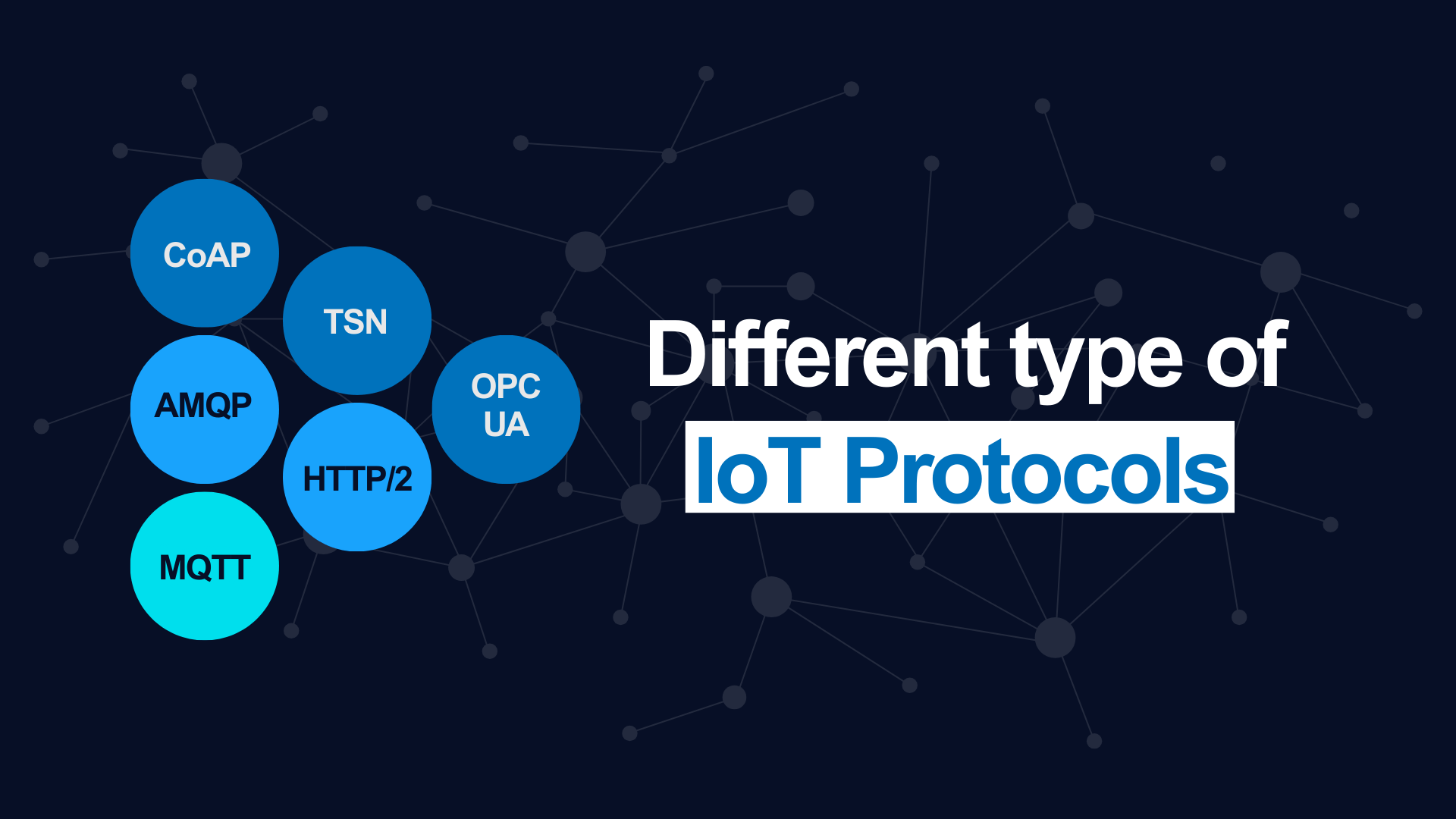
In the rolling coffee plantations of rural Colombia, agri-tech sensors can track soil moisture and weather patterns in real time. These agri-tech devices predict droughts before farmers even notice wilting leaves, boosting yields even during LATAM’s unpredictable rainy seasons.
Yet behind this efficiency lies a web of Internet of Things (IoT) protocols ensuring data travels reliably from remote fields to central dashboards, even over spotty 4G signals. For CISOs and IoT engineers, understanding these protocols means the difference between seamless operations and costly downtime.
This guide dives deep into IoT protocols. We balance technical breakdowns with gritty use cases across industries, so CISOs, Fleet Managers or Product Owners walk away ready to deploy.
Why IoT Protocols matter
IoT protocols form the backbone of device communication (M2M communication), dictating how data moves securely and efficiently across networks. Think of them as the rules of the road for billions of connected gadgets, from fleet vehicles to factory robots. Without the right protocol, you face latency spikes, security gaps, or battery drain that kill ROI.
In 2026, with 5G and satellite hybrids expanding, protocols must handle massive scale. Transatel’s global connectivity platform integrates hundreds of roaming agreements, enabling IoT vendors to use protocols like MQTT or LwM2M. For CEOs eyeing global expansion, this translates to faster time-to-market and lower ops costs.
Real-world stakes are high. A telecom engineer juggling urban 5G with rural 3G needs protocols that adapt without reconfiguration. Fleet managers tracking vehicles across borders demand the same resilience. Protocols bridge these gaps, gluing industries like agriculture and logistics under one reliable framework.
Core IoT Protocols at a glance
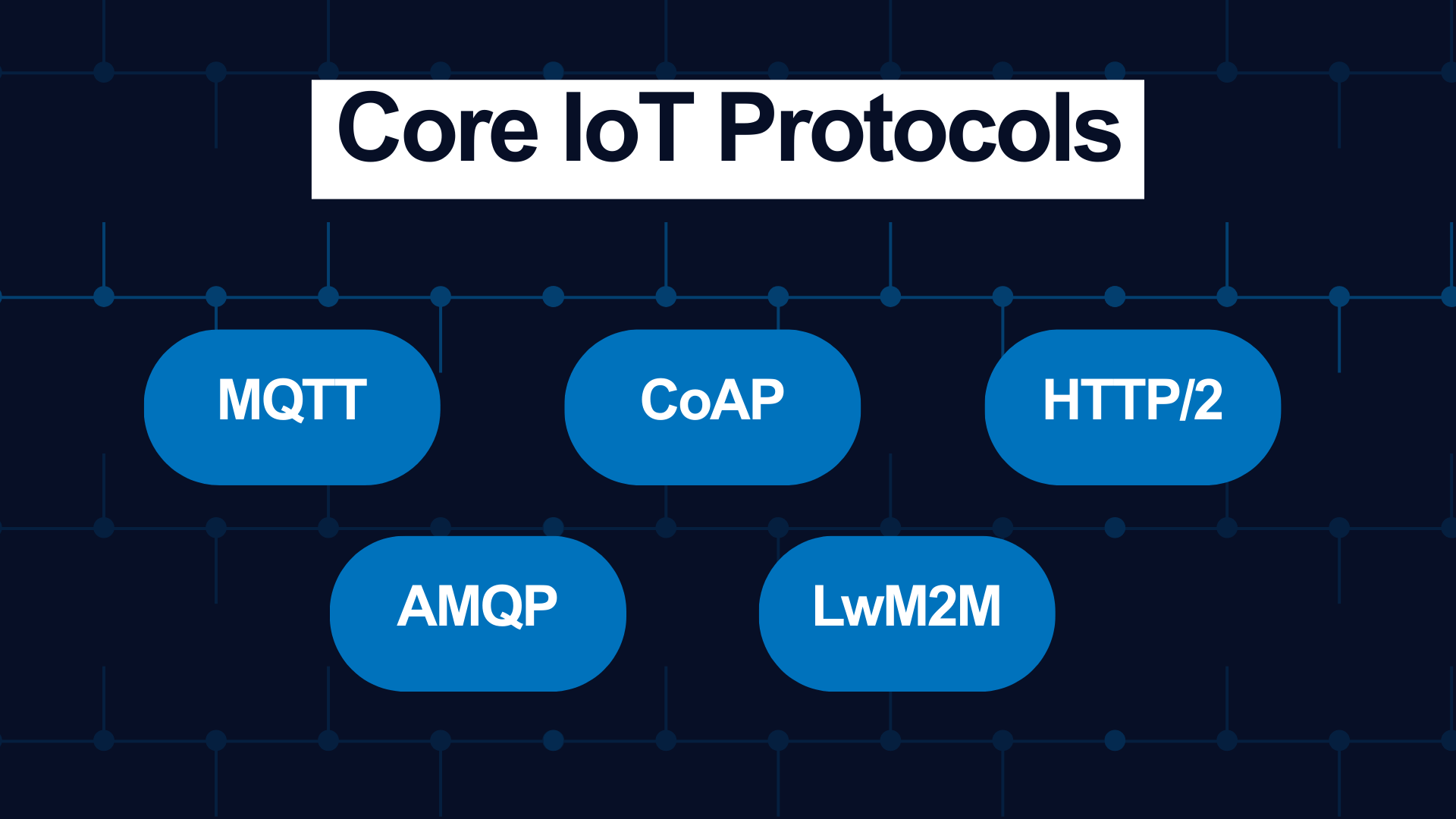
Devices often run on limited power, so protocols prioritize lightweight headers and pub-sub models over heavy models.
| Protocol | Key Strength | Ideal Use Case | Power Efficiency | Security Features |
|---|---|---|---|---|
| MQTT (Message Queuing Telemetry Transport) | Low bandwidth pub-sub messaging | Remote sensors in agri-tech (e.g., LATAM crop monitoring) | High (2-5 KB sessions) | TLS/SSL, username auth |
| CoAP (Constrained Application Protocol) | UDP-based for constrained devices | Battery-powered trackers in logistics fleets | Very High (no session overhead) | DTLS encryption |
| HTTP/2 | Multiplexing for web-like IoT | Smart city dashboards pulling fleet data | Medium (persistent connections) | OAuth, HTTPS |
| AMQP (Advanced Message Queuing Protocol) | Reliable queuing across enterprises | Industrial machines syncing production data | Medium-High | SASL, TLS |
| LwM2M (Lightweight M2M) | Device management over CoAP | Remote firmware updates for vehicles | High | DTLS, bootstrapping |
MQTT: The lightweight contender for scalable messaging
Let’s start with MQTT, invented for oil pipelines but now ubiquitous. It uses a broker model where devices publish topics and subscribers listen, slashing network chatter. Imagine fleet managers in Europe overseeing trucks from Asia: MQTT’s QoS levels (0 for fire-and-forget, 2 for guaranteed delivery) ensure critical alerts like “low fuel” arrive despite signal drops.
Technically, MQTT v5 adds shared subscriptions for load balancing across 1000+ devices, vital for CISOs fortifying against DDoS via topic hierarchies. In practice, a logistics firm can cut data costs up to 40% by migrating to MQTT, avoiding constant polling.
Pain point solved: High-latency WANs. MQTT keeps sessions alive with heartbeats, perfect for product managers deploying globally without custom code.
CoAP and LwM2M: Power sippers for edge devices
Constrained networks demand CoAP, a RESTful protocol over UDP that mimics HTTP but sheds TCP baggage. It observes option lets servers push updates, ideal for real-time monitoring. Fleet managers tracking refrigerated shipments love it: Temperature spikes trigger instant alerts over narrowband LTE-M.
Layer LwM2M on top for management. This OMA standard handles registration, provisioning, and OTA updates via objects like /3/0 for device info. For IoT engineers, its TLV encoding compresses payloads 50 percent versus JSON.
Cross-industry glue: Agri-tech sensors in Brazil use CoAP for soil data; oil rigs offshore employ LwM2M for valve controls. Both tackle intermittent connectivity, a shared headache for CISOs enforcing compliance.
AMQP and DDS: Enterprise-grade reliability
AMQP steps up for mission-critical queues. Banks use it for transaction syncing; manufacturers for PLC data. Its federated brokers route messages reliably, with acknowledgments preventing loss. CEOs appreciate AMQP’s interoperability: One setup works from Azure to private 5G.
DDS (Data Distribution Service) takes real-time to extremes, with pub-sub discovery sans central broker. Autonomous vehicles thrive on it, sharing positions at microsecond latencies via RTPS wire protocol. Technical twist: DDS’s QoS policies let engineers tune durability and deadlines.
6fand Thread: IPv6 for the tiny
Legacy IPv4 chokes IoT scale. 6LoWPAN compresses headers for 802.15.4 radios, enabling IP over low-power nets. Streetlights in cities use it, compressing to 3 bytes per packet.
Thread builds on this with mesh routing and border routers to Wi-Fi/ethernet. Matter standard leverages it for smart homes. Product owners gain plug-and-play: One protocol unifies bulbs to thermostats.
Industry pain points solved by IoT protocols
- Logistics: CoAP cuts fleet data bills amid border hops
- Manufacturing: AMQP queues prevent robot stalls
- Healthcare: LwM2M secures wearable telemetry
One concept glues them: Adaptive protocols via intelligent SIMs handle variance, from LATAM farms to Arctic rigs.
Future-Proof your IoT with expert guidance
Internet of Things (IoT) protocols evolve fast, but the winners prioritize interoperability and resilience. Transatel’s decades of expertise position us to guide your deployments, from protocol selection to global scaling.
Ready to optimize your stack? Book a FREE consultation with our IoT protocol specialists today. Discuss your use cases, get tailored connectivity recommendations, and deploy with confidence. Schedule now.