Automotive
 Aviation
 Defense & Public Safety
 Manufacturing
 Logistics
 Public Transport
 Mobility
 Energy & Utilities
 Smart Farming
 Smart Buildings
 Healthcare
 Retail
 Media & entertainment

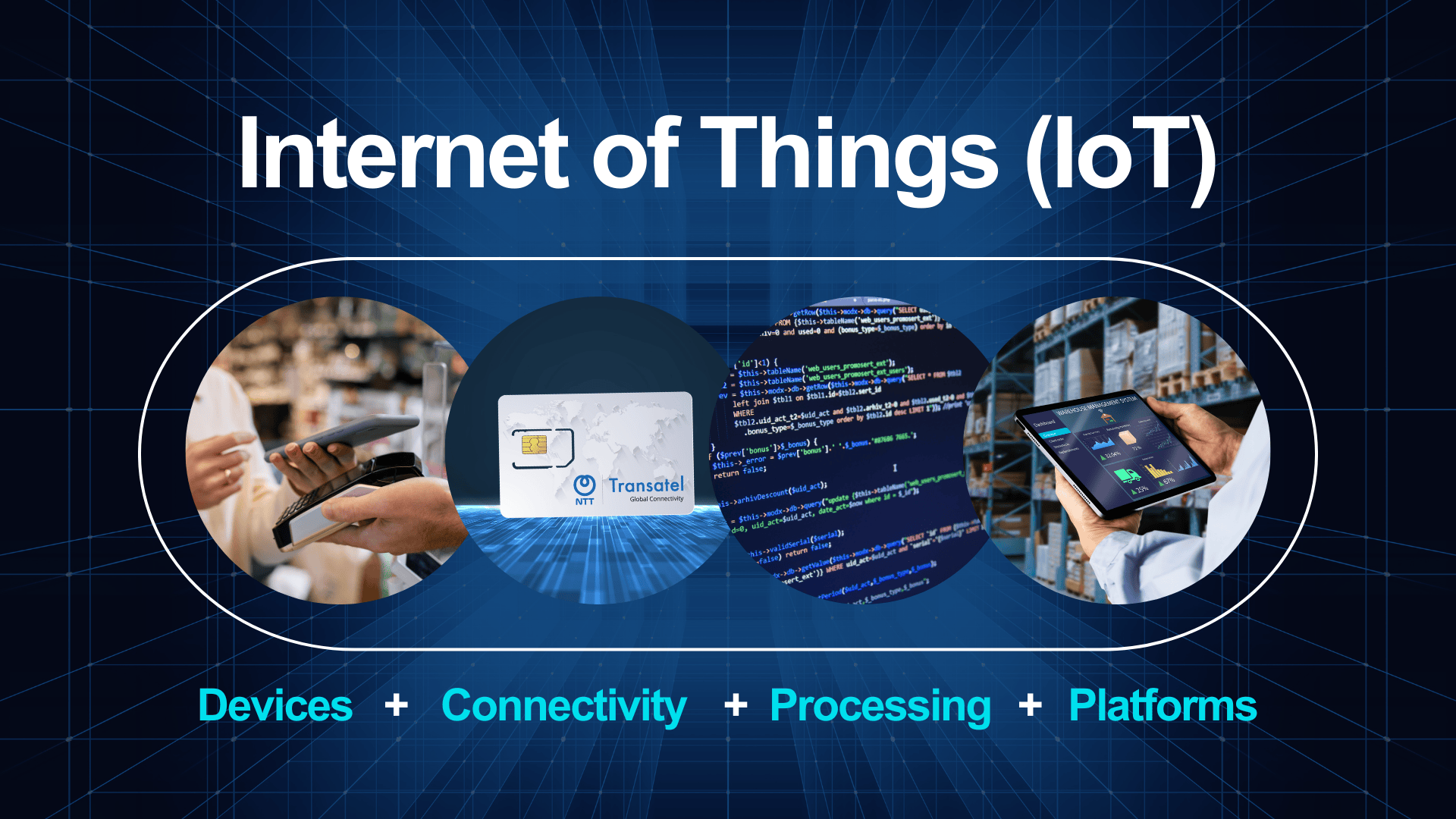
Industrial IoT solutions are a combination of connected devices, networks, and software that collect data from industrial assets and use it to improve how operations run. At its simplest, that means putting sensors and connectivity on machines, vehicles or infrastructure, sending data to an edge or cloud platform, and acting on insights in near real time.
A useful rule of thumb is that an industrial IoT solution should always answer one of three questions: What is happening now on my assets, What is likely to happen next. How can I deal with it. If a project does not clearly improve one of those decisions, it is probably not ready for investment.
In practice, this involves three layers working together. At the device layer, sensors, controllers and actuators measure conditions like vibration, temperature, pressure, or location and can act on control signals. On the network layer, these devices communicate securely over cellular, Ethernet or other industrial networks to gateways and platforms. At the application layer, analytics and business systems turn raw data into alerts, predictions and automated actions.
Automation vs Industrial IoT: what is the difference
Automation is when machines and control systems do a job by themselves with little human help. Imagine a bottling line where bottles move, are filled, capped, and labeled automatically. Once the process is set up, it repeats the same actions again and again with high speed and precision.
Industrial IoT (IIoT) is about connecting those machines and sensors to a network so they can send and receive data. Instead of just running in isolation, the equipment “talks” to software that can monitor it, analyze performance, and help people make better decisions. For example, a sensor on a motor can send temperature and vibration data so you can see problems early and avoid a breakdown.
A simple way to think about it is this: automation makes the work happen automatically, while Industrial IoT makes that automated work visible, measurable, and improvable. You can have automation without connectivity, but when you add IIoT, your machines become more like smart, connected devices.
The result is that industrial IoT has shifted from “nice to have innovation” to “core operational capability” in many sectors. Companies that treat it as a side project often end up with isolated pilots that never scale, while competitors quietly rewire their operations around continuous, connected data.
What are the core building blocks of an industrial IoT solution
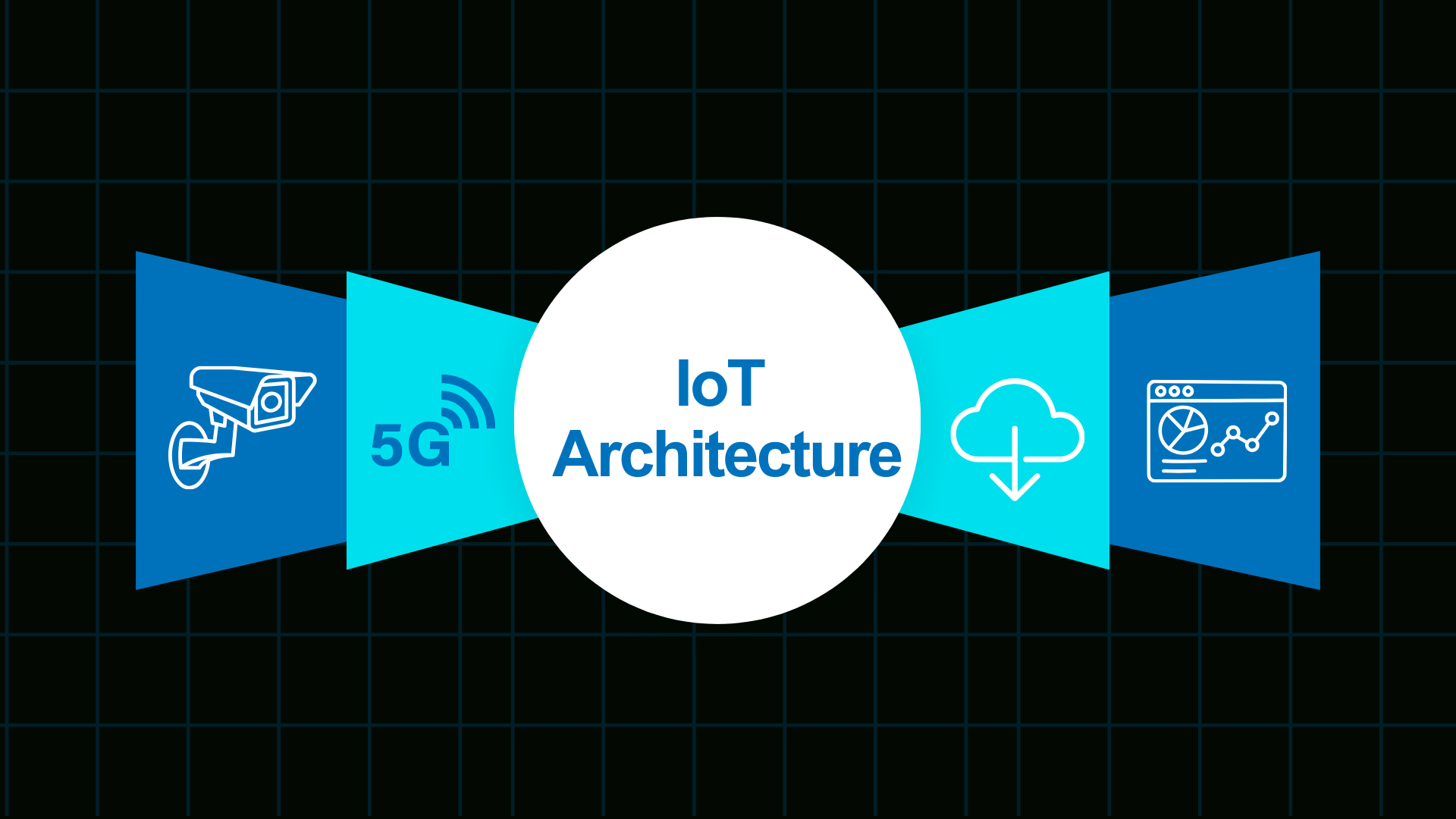
Although every project is unique, successful industrial IoT solutions share common technical building blocks.
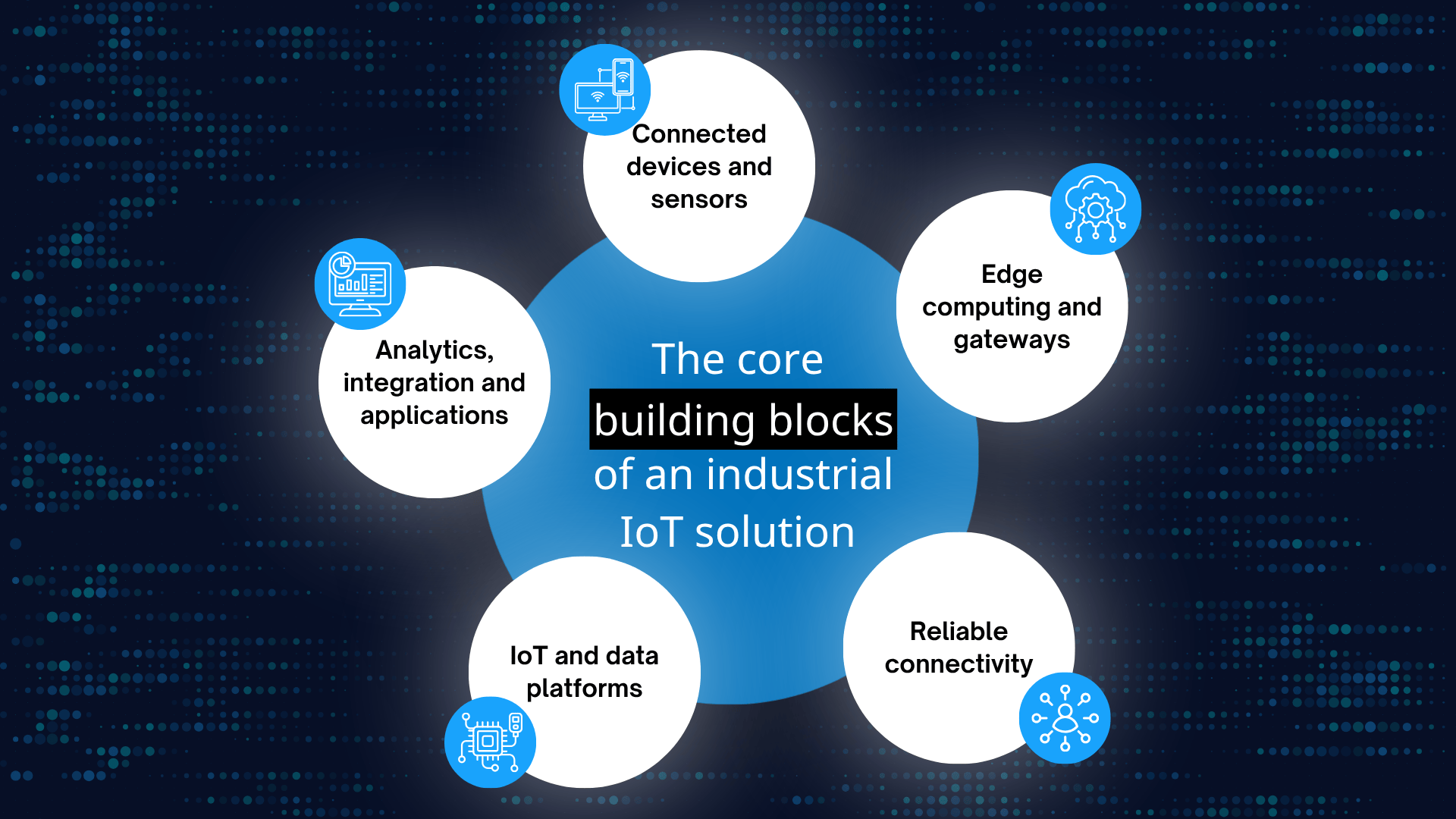
1. Connected devices and sensors
Devices can be built into new machines or retrofitted to existing assets using add on sensors, cameras or IoT gateways. They measure physical variables such as vibration, temperature, flow, or position, and sometimes actuate valves, motors, or switches.
2. Edge computing and gateways
Edge gateways sit close to machines, aggregate data from multiple devices and often run local logic. They filter noisy data, apply basic analytics, and ensure only relevant information is sent to central systems, which reduces bandwidth use and improves latency.
3. Reliable connectivity
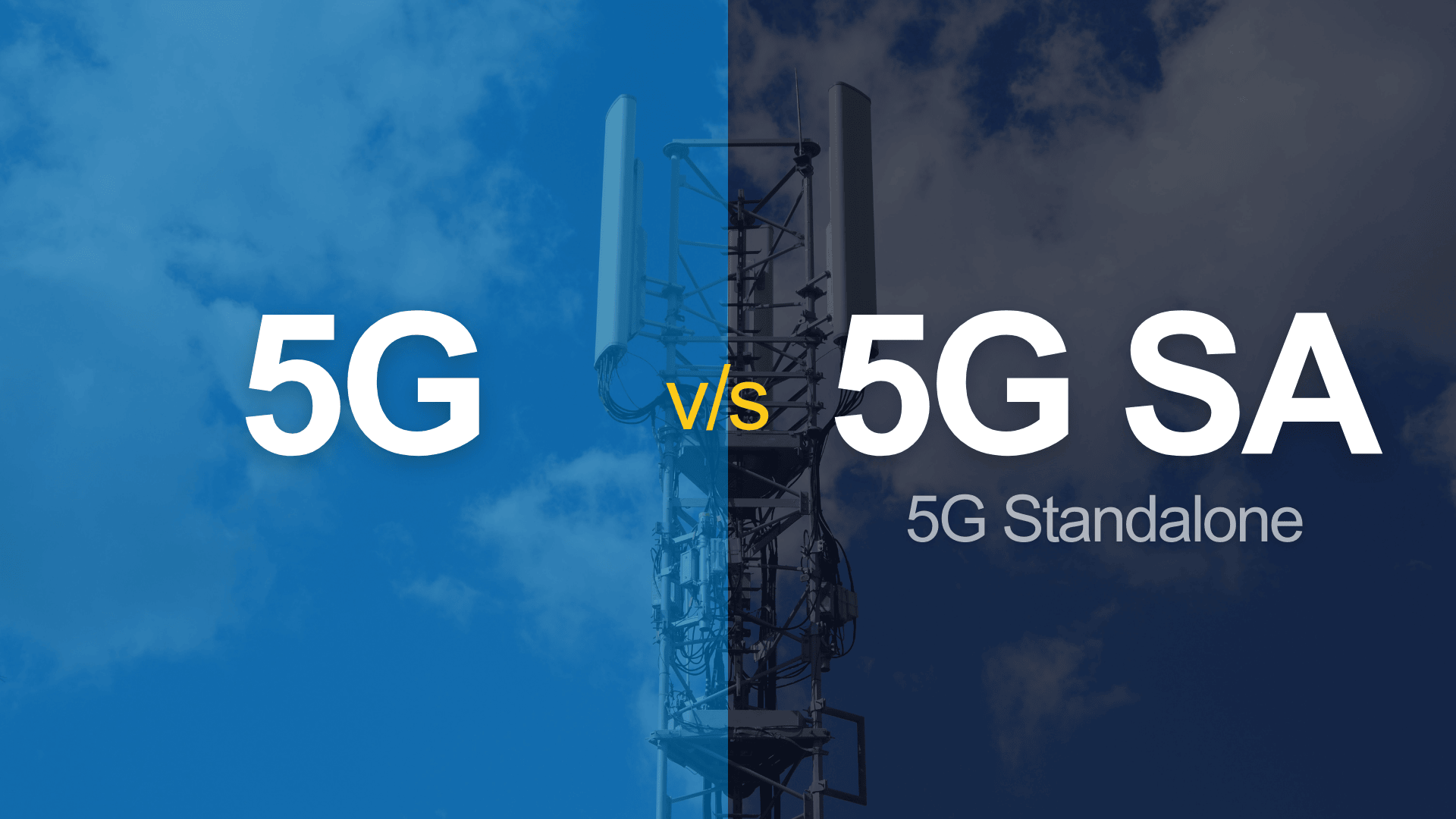
Depending on the environment, solutions may rely on wired industrial Ethernet, Wi Fi, private cellular or wide area cellular technologies such as LTE M or 4G and 5G. In mobile or distributed use cases, managed cellular connectivity is often the most flexible way to keep thousands of assets securely online.
4. IoT and data platforms
IoT platforms ingest device data, manage identities and policies, and route data into analytics and business applications. Many also provide device management, firmware updates, and integration with ERP, MES, or service management systems.
5. Analytics, integration and applications
On top of this platform, companies build dashboards, alerts, predictive models and closed loop control logic. Industrial IoT delivers most value when it is woven into existing workflows, for example by creating maintenance work orders automatically when analytics predict a failure.
Thinking in these layers helps you design solutions that remain adaptable. Hardware will change, analytics models will evolve, but a robust architecture lets you swap components without starting from scratch.
What are some standard industrial IoT use cases across industries
Real value comes from matching these building blocks to specific operational problems. The use cases below are common across manufacturing, energy, logistics and infrastructure.
Manufacturing and process industries
Predictive maintenance for critical equipment: Sensors measure vibration, temperature, and current on motors, pumps, or compressors. Machine learning models detect early signs of wear, so maintenance teams can intervene before an unplanned shutdown. This reduces downtime and allows repairs to be scheduled around production plans.
Real-time line monitoring and quality: Production lines are instrumented from end to end. Data about throughput, rejects and environmental conditions flows into a central system. Supervisors get a live view of bottlenecks and can adjust parameters or staffing before quality slips or orders are delayed.
Energy monitoring in plants: Connected meters track energy consumption by line, machine or building zone. Analytics highlight where energy use is out of line with benchmarks, helping plants cut costs and meet sustainability targets.
Energy, utilities and infrastructure
Remote asset monitoring for grid and pipelines: Sensors and connected devices monitor pressure, flow and structural health across networks of pipelines or transmission infrastructure. Operators gain real time visibility into anomalies, allowing them to react quickly to leaks or faults and improve safety.
Smart substations and distribution: Connected devices in substations and along distribution lines enable faster fault detection and isolation. This supports more reliable grids that can integrate distributed energy resources and respond more dynamically to demand.
Transportation, fleets and logistics
Connected fleets and telematics: Vehicles equipped with telematics units and sensors share data on location, fuel use, driver behavior and load conditions. Fleet managers use this information to optimize routes, reduce fuel consumption, and improve safety.
Supply chain visibility: GPS enabled sensors and trackers on pallets, containers or equipment to provide live location and condition data across the supply chain. This helps reduce losses, improve ETAs and coordinate production, warehousing, and transport more tightly.
These examples illustrate a common pattern. Industrial IoT solutions turn previously invisible parts of operations into measurable, manageable and eventually optimizable systems.
Common use cases for industrial IoT solutions
Different projects often fall into recurring patterns, which can be helpful when framing requirements and investment.
| Solution pattern | Primary objective | Typical assets involved | Where analytics run | Example outcome |
| Asset condition monitoring | See asset health in real time | Motors, pumps, compressors, CNC machines | Mostly cloud, some edge | Fewer surprise breakdowns |
| Predictive maintenance | Predict failures before they occur | High value rotating equipment, fleets | Edge plus cloud | Reduced unplanned downtime and maintenance cost |
| Energy and resource optimization | Reduce energy or resource consumption | Lines, HVAC, industrial ovens, distributed sites | Cloud with periodic edge control | Lower energy bills and improved sustainability KPIs |
| Connected products and services | Create new service models or offerings | Industrial machines, vehicles, infrastructure | Cloud with remote access | Outcome based contracts, remote diagnostics |
| Operational visibility and control | Improve coordination and responsiveness | Production lines, supply chains, field assets | Mix of edge and cloud | Faster response to issues and better throughput |
How connectivity choices shape industrial IoT success
Connectivity is often underestimated in industrial IoT initiatives. Yet it is the backbone that determines which use cases are realistic, how reliable the solution is and what it costs to operate at scale. Key questions to ask early include:
Where are your assets: A single factory has different constraints than thousands of machines distributed across countries or vehicles moving across borders.
How mobile are they: Fixed equipment in a plant may rely on wired networks or private cellular, while mobile equipment, vehicles or remote infrastructure typically require wide area cellular connectivity.
What data volumes and latency do you need: High frequency vibration data for real time control has different needs than periodic meter readings.
What are your security and segregation requirements: Some environments demand strict separation between operational networks and the public internet or tight control over where data is routed and stored.
Cellular technologies such as LTE M, 4G, and 5G are increasingly central to industrial IoT because they offer a mix of coverage, bandwidth, and support for mobility. This is particularly true when you need to connect heterogeneous assets in multiple countries through a consistent connectivity management layer rather than dealing with fragmented local contracts.
How global connectivity partners enable industrial IoT projects
Industrial IoT touches operational technology, IT, networking, and data science. Very few connectivity providers like Transatel have deep expertise in all these domains internally, especially when deployments span countries or involve mission critical assets.
Transatel’s global IoT connectivity platform tailored for industrial IoT solutions includes:
- Designing global connectivity strategies for fixed, mobile and hard to reach assets that must remain online regardless of location.
- Integration of public and private cellular networks where required for performance, latency or regulatory reasons, while maintaining a unified way to manage SIMs and subscriptions.
- Lifecycle management of connectivity and devices including provisioning, monitoring, troubleshooting and optimization as fleets grow and use cases evolve.
It becomes much easier to move from isolated pilots to reliable, scalable industrial IoT solutions with the combination of experience and domain knowledge of processes, assets and customers.
Editor’s final thoughts:
If you are responsible for operations, engineering, or digital transformation, the next step is not to launch another generic IoT pilot. Start by clarifying the outcome you want to achieve, the assets involved, and the constraints around connectivity, security, and integration.
Then speak with connectivity providers like Transatel who spend their time helping organizations design and operate industrial IoT connectivity at scale. This can help you validate assumptions, avoid known pitfalls, and choose architectures that stay robust as you grow.
Book a FREE meeting with our industrial connectivity specialists today. A quick conversation can help you translate ambitious goals into a realistic plan for connecting assets, sites and fleets in a way that delivers measurable results.