Automotive
 Aviation
 Defense & Public Safety
 Manufacturing
 Logistics
 Public Transport
 Mobility
 Energy & Utilities
 Smart Farming
 Smart Buildings
 Healthcare
 Retail
 Media & entertainment

Imagine a farmer in Germany who no longer has to guess when to irrigate. Small, battery powered sensors in the soil send live information on moisture and temperature to a simple app. When the soil gets too dry, the app alerts the farmer and opens a smart valve to start irrigation only where and when it is needed. The result is fewer wasted litres, healthier plants and more predictable yields.
Now picture a large soybean grower in Brazil using drones to scan thousands of hectares in a single morning. The drone images highlight early signs of pest attacks and nutrient deficiencies that are impossible to see from the ground. Instead of treating the whole field, the farmer treats only the affected zones, saving chemicals and protecting the soil.
Or consider a cattle rancher in Australia who equips every cow with a connected tag. These tags report location and activity to a central platform. If an animal stops moving, drinks less or behaves abnormally, the system sends an alert so that the rancher can react before a small issue becomes a costly disease.
All these examples are part of one broader movement: digital farming. Behind the scenes, this new way of working relies on a quiet hero that farmers rarely see on a screen: robust, flexible IoT connectivity that keeps every sensor, machine and drone online, even in remote fields.
What is digital farming?
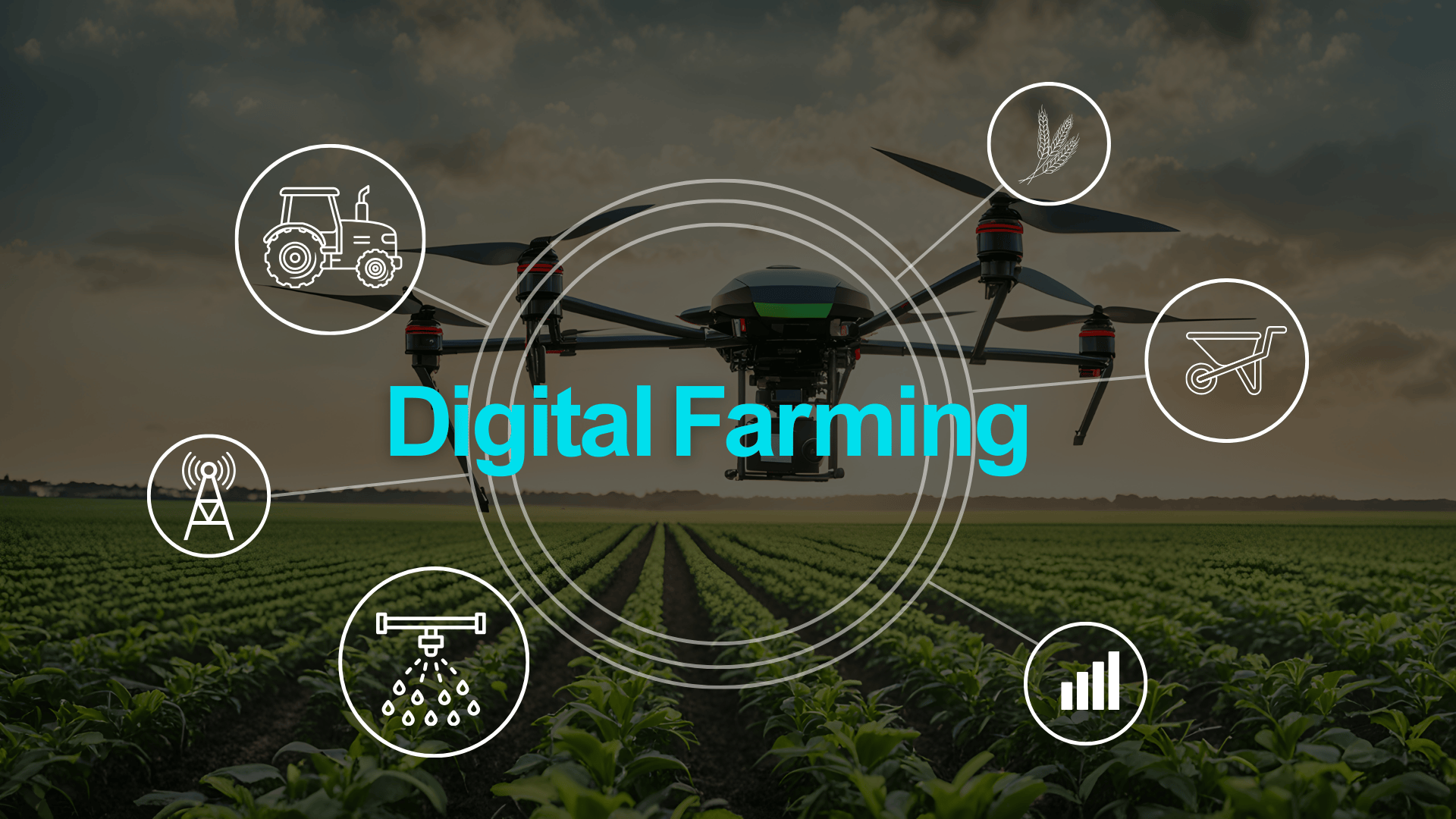
Digital farming is the use of connected technologies and data to plan, monitor and optimise everyday farming work. Instead of relying only on experience and visual checks, farmers use data from sensors, machinery, satellites and weather systems to support decisions on planting, irrigation, fertilisation, spraying and harvesting.
The goal is not to replace the farmer, but to give them better information at the right time and reduce the manual work needed to gather that information.
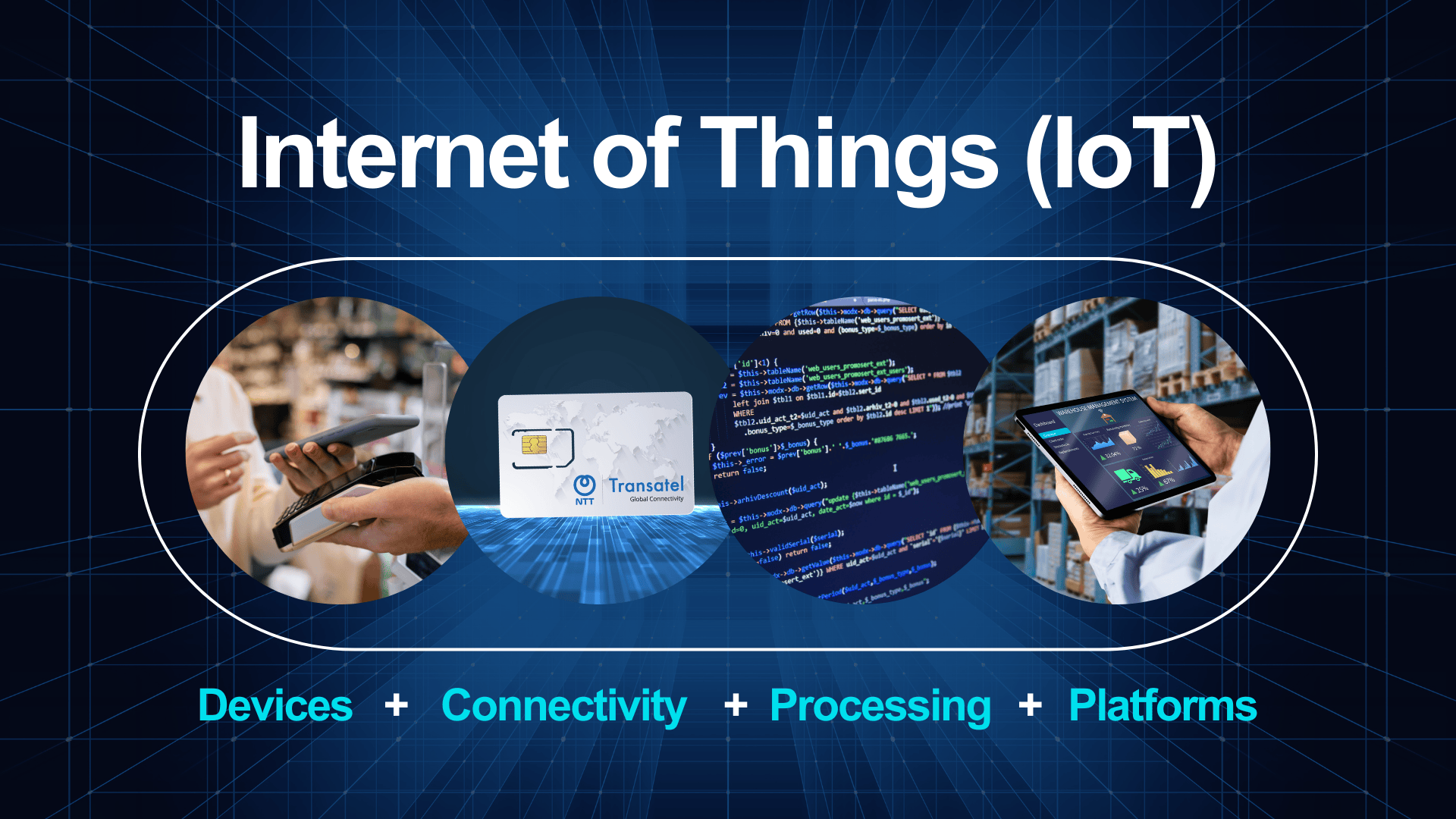
In practice, digital farming usually combines:
- Devices in the field such as soil moisture probes, weather stations, connected collars or tags and machine telematics units.
- Connectivity that links these devices to farm management platforms, often over cellular networks using 4G, 5G or low power technologies like LTE M.
- Software that collects data, turns it into alerts, maps or recommendations, and sometimes triggers automation.
What are the key building blocks of digital farming?
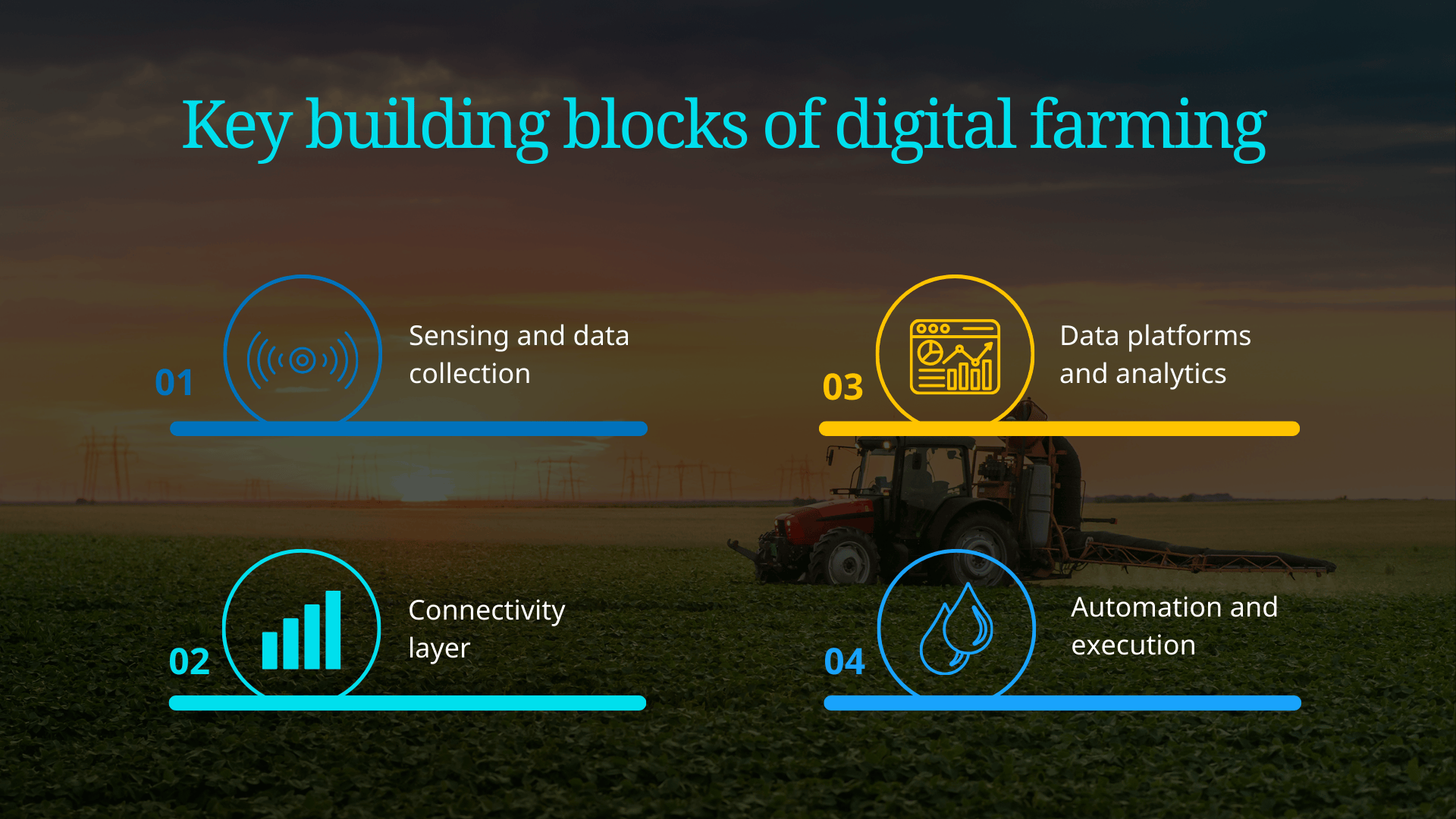
- Sensing and data collection
- Field sensors capture soil moisture, pH, temperature, humidity and sometimes nutrient levels.
- Stationary and mobile weather stations measure rainfall, wind, solar radiation and microclimate.
- Drones and satellites deliver imagery that reveals crop stress, biomass and growth stages.
- Telemetry devices report on tractor position, fuel use and engine status.
- Connectivity layer
- Devices must connect reliably from widely dispersed fields, often across borders and in areas with limited coverage.
- Cellular IoT networks such as 4G and 5G are widely used for their reach, mobility and security, especially when devices roam between regions.
- Multi network and global (e)SIM solutions help devices automatically select the best available network without manual SIM swaps.
- Data platforms and analytics
- Farm management systems aggregate data into dashboards, maps and timelines that users can understand at a glance.
- Analytics engines use rules, statistical models and sometimes artificial intelligence to detect patterns and suggest actions.
- Automation and execution
- Irrigation systems can open and close valves automatically based on target soil moisture levels or weather forecasts.
- Variable rate sprayers and spreaders adjust application on the go according to prescription maps and live sensor readings.
- Autonomous or semi autonomous robots and vehicles carry out seeding, weeding and monitoring tasks.
For all these components to work together, seamless connectivity is essential. If devices disconnect frequently, data flows break, dashboards become unreliable and automation cannot be trusted.
Why digital farming matters now:
Digital farming is not just about using modern gadgets. It is a response to very concrete pressures facing producers everywhere.
- Feeding a growing population with limited land: Farmers must increase productivity per hectare while limiting environmental impacts.
- Managing water stress: Many regions already experience severe droughts or unpredictable rainfall, making precise irrigation essential.
- Labour shortages: It is becoming harder to recruit and retain skilled workers for repetitive or seasonal tasks.
- Volatile input costs: Prices of fertilisers, fuel and crop protection products fluctuate, so waste directly affects profitability.
- Sustainability and regulation: Retailers, consumers and regulators increasingly demand evidence of sustainable practices and traceability.
By providing data for better decisions, smart farming helps producers grow more with less, while creating the transparency that value chains and regulators expect.
Practical use cases of digital farming
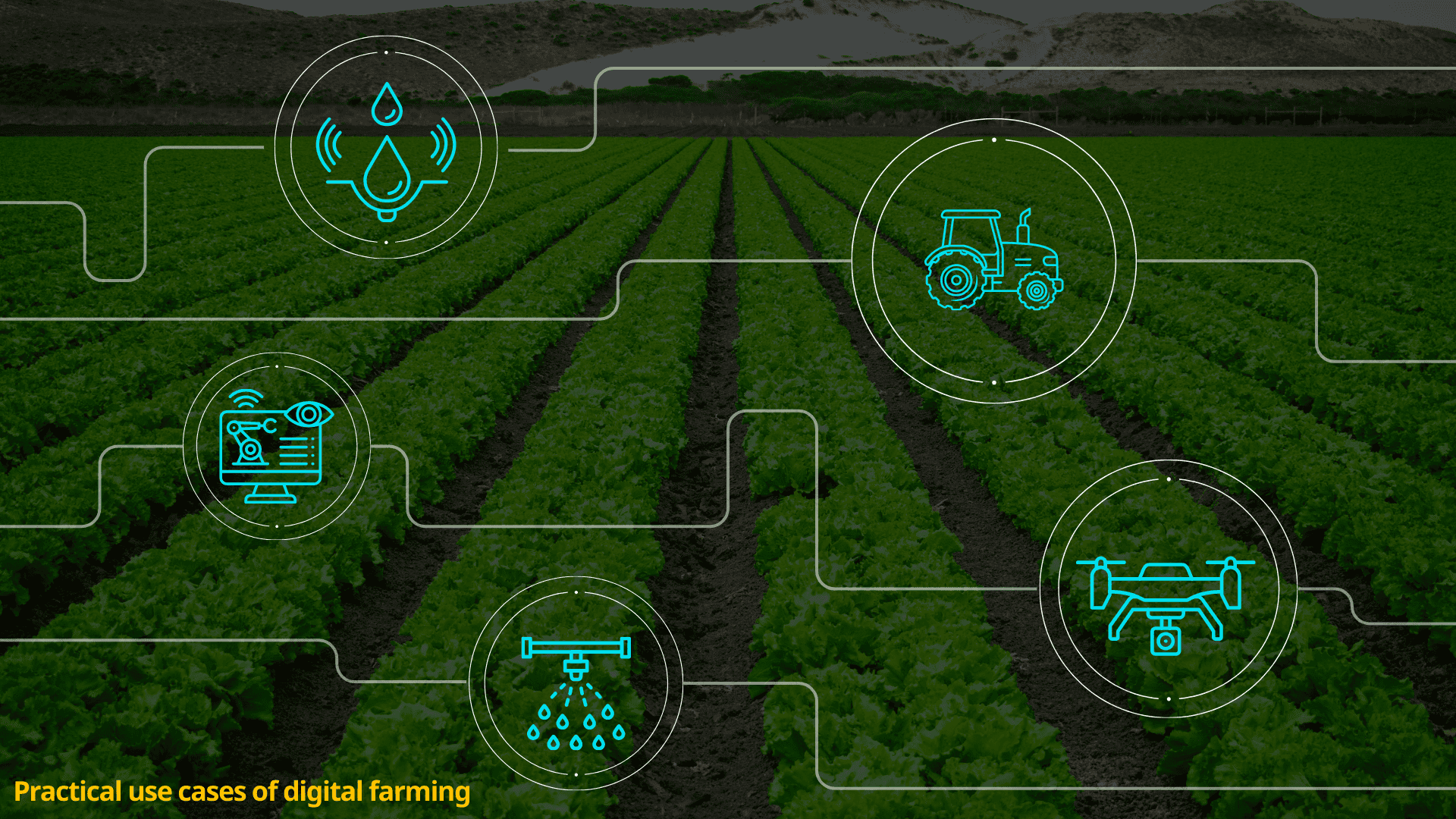
- Smarter use of water
- Soil moisture probes and connected irrigation controllers help farmers irrigate only when and where it is necessary.
- Systems can combine sensor data with weather forecasts so that irrigation is automatically delayed if rain is expected.
- This protects yields while reducing water use, energy consumption and pumping costs.
- Targeted crop protection and nutrition
- Drone or satellite imagery identifies areas of crop stress early, often before the human eye notices it.
- Variable rate equipment applies fertiliser or crop protection only where needed and in precise doses.
- Combined with historical data, models can recommend optimal application windows to avoid losses.
- Connected machinery and fleets
- Telematics units installed on tractors, sprayers and harvesters send data on location, fuel, engine health and task progress.
- Farm operators can monitor machine usage in real time and coordinate operations across distant fields.
- Predictive maintenance helps avoid breakdowns at critical times like harvest.
- Livestock health and welfare
- Wearable sensors measure activity, rumination and sometimes temperature, building a detailed profile of each animal.
- Automated alerts flag signs of illness, calving or abnormal behaviour, enabling earlier interventions.
- Location tracking reduces the time spent searching for animals in large pastures.
- Compliance and traceability
- Digital records of field operations, inputs and conditions can be shared with buyers, auditors and regulators.
- This supports certification schemes and sustainability reporting without manual paperwork.
Each of these scenarios relies on devices in remote and sometimes cross border locations that must stay connected reliably for months or years.
How connectivity shapes the success of digital farming
Many agritech projects fail not because the application logic is wrong, but because the field devices are offline too often. Farms rarely sit in a single, perfect coverage area. Fields can span valleys, borders and roaming zones, and devices may move between them on machines, animals or drones.
A few connectivity challenges appear again and again for agri tech players and producers:
- Coverage gaps and network diversity: Different mobile operators offer different coverage and performance from field to field and from country to country.
- Seasonal and mobile devices: During planting and harvest, device usage spikes. Machines move between farms, and devices need constant, seamless connectivity throughout their journeys.
- Long device lifecycles: Field devices, sensors and machines may stay in service for many years. Connectivity choices must support that lifespan and evolution of network technologies.
- Operational simplicity: Managing thousands of SIM cards, contracts and dashboards per operator quickly becomes a barrier to scaling solutions across regions.
Specialised IoT connectivity providers for agriculture address these issues by offering:
- Multi network (e)SIMs that automatically attach to the most suitable network in each location.
- Access to 2G, 3G, 4G and 5G to support very low power devices as well as high bandwidth applications such as video from drones.
- Global coverage through hundreds of roaming agreements, so that a single connectivity partner can support deployments across continents.
- Centralised connectivity management platforms where agri tech providers monitor usage, set alerts and adapt SIM lifecycles to seasonal campaigns.
Transatel has been working for many years with agri tech manufacturers and platforms that need this type of connectivity backbone for their smart farming solutions, from tractor telematics and smart irrigation systems to autonomous robots and drone-based crop monitoring.
How Transatel supports digital farming projects
For agri tech solution providers and large producers, choosing the right connectivity strategy often makes the difference between a successful pilot and a scalable precision farming product. Transatel focuses on the connectivity and device management layer so that its partners can focus on agronomy, hardware design and user experience.
By offering global, multi network IoT connectivity across more than two hundred countries and territories, Transatel helps keep sensors, machines, drones and livestock devices connected in environments that are usually challenging for consumer grade connectivity. Its platform allows customers to monitor and control large fleets of SIMs, adapt to seasonal demand and manage costs over the full lifecycle of digital farming deployments.
This combination of long term IoT expertise and deep involvement in smart farming and smart agriculture projects positions Transatel as a trusted technical partner for organisations that want to build robust, scalable digital farming solutions.
Editor’s Final Thoughts
If you are designing digital farming products, scaling an agri tech platform or planning to connect equipment across multiple regions, the connectivity layer is too important to leave to chance. Transatel’s experts work daily with smart farming innovators to design architectures that keep devices connected, manage seasonal usage and support new use cases as they emerge.
Book a meeting with Transatel’s IoT connectivity specialists to discuss your digital farming roadmap, explore real world reference architectures and identify the best way to keep your devices online wherever your fields, machines and animals operate.