Automotive
 Aviation
 Defense & Public Safety
 Manufacturing
 Logistics
 Public Transport
 Mobility
 Energy & Utilities
 Smart Farming
 Smart Buildings
 EV charging
 Healthcare
 Retail
 Media & entertainment


It’s 6am. The shutters go up, the lights flicker on, and the store manager walks past the chilled aisle. Something feels off. The cabinets are warm, the frozen peas are soft, and nothing is broken. No power cut, no faulty compressor. Somewhere, overnight, someone else simply changed the settings.
That is the uncomfortable truth behind securing connected retail. The modern supermarket is no longer just shelves and tills. It is a network of connected devices, and every one of them is a door. Most are locked. The question is whether you know which ones aren’t.
The connected supermarket: more devices, more doors
Walk through any modern retail store and you pass more connected technology than you might think. Some of it is on show. Most of it runs quietly in the background, keeping the lights on and the tills ringing.
| Where in the store | Connected devices | What they keep running |
| Chilled and frozen aisles | Refrigeration controllers, temperature sensors, cold room monitors | Food safety, stock quality, energy use |
| Checkout | Payment terminals, soft PoS, self-checkouts | Every single sale |
| Shop floor | Electronic shelf labels, digital signage, smart shelves | Pricing, promotions, availability |
| Self-service | Kiosks, smart vending machines | Round-the-clock sales |
| Back of house | Inventory scanners, warehouse tablets, staff devices, Fixed Wireless Access routers | Stock accuracy and replenishment |
| Security | Cameras, alarms, access control | People and premises |
Why the connected fridge is the soft spot
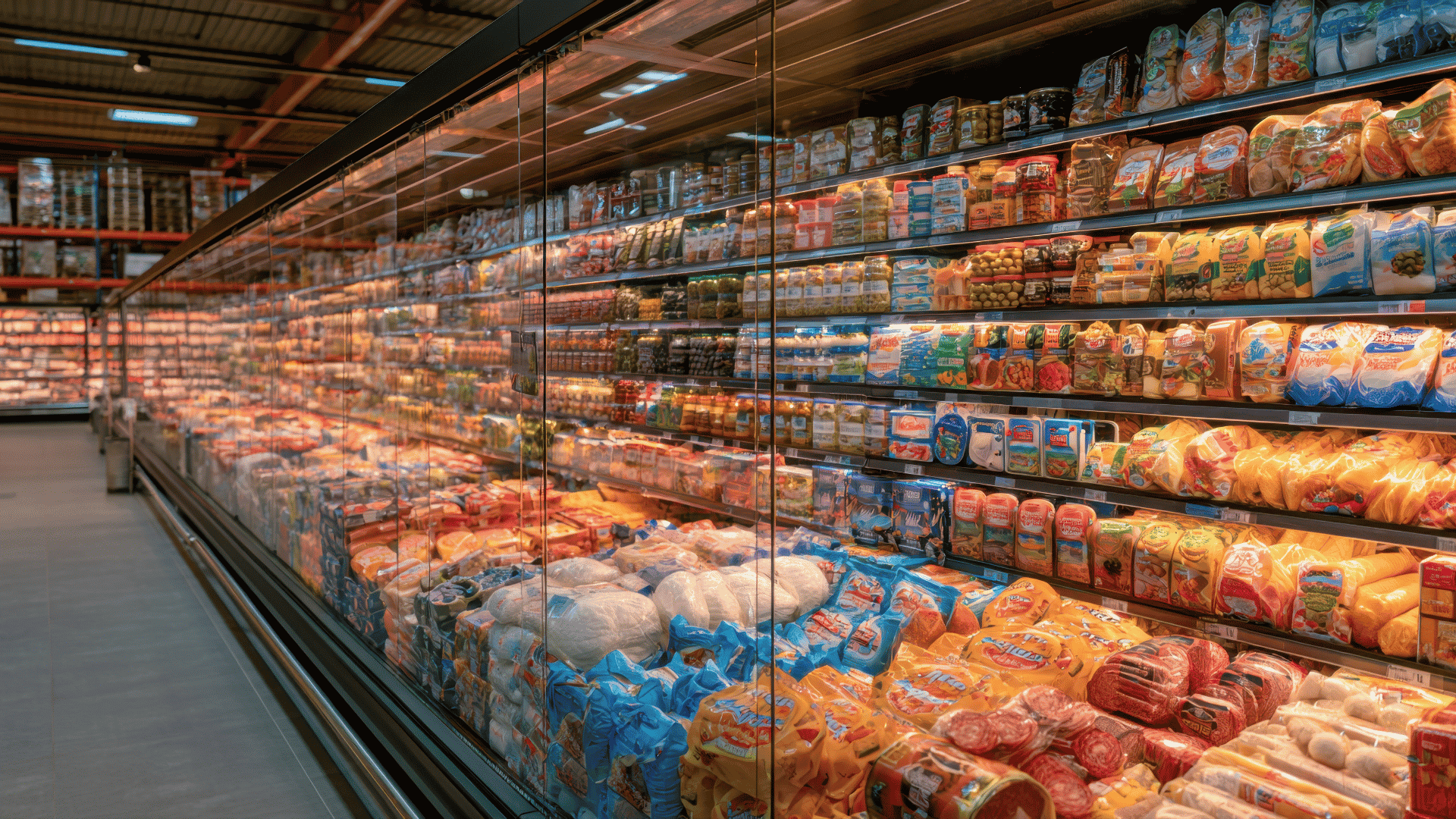
In any supermarket, payment terminals get the security spotlight, and rightly so. Refrigeration rarely gets the same attention, yet it guards something just as precious: a store’s most perishable stock, with zero tolerance for mistakes.
Two things make it easier to reach than most people assume.
- Built to last, but only as safe as their last update: Refrigeration kit is designed to run reliably for years, sometimes long after the manufacturer stops releasing security updates. Every unpatched controller is a known weakness waiting to be found, so keeping firmware up to date, and replacing kit that no longer receives updates, is essential.
- Managed from afar: Engineers and contractors adjust temperatures, schedules and alarms remotely. Every remote login is a path in, and not every path is equally well guarded.
And a fridge is rarely the final destination. Once an attacker is inside one device, it can become a stepping stone into the wider store and corporate network, if the compromised device is connected to the same network.
What happens when your connected ecosystem is compromised
A refrigeration management system lets authorised users set temperature thresholds, adjust schedules and carry out remote maintenance. Those same controls work just as well for someone with very different intentions.
- Stock in the bin: Once the cold chain breaks, chilled and frozen products have to go, to keep customers safe. A single night can wipe out a store’s entire fresh range.
- Empty shelves, lost shoppers: Bare cabinets mean lost sales, emergency deliveries and customers heading to the competitor down the road.
- Ripple effects: If the same gaps exist in tills, kiosks or shelf labels, trouble in the chilled aisle can spread to pricing and payments.
- Trust on the line: Food safety is the promise every grocer makes. Breaking it, even for a few hours, is hard to explain.
Securing connected retail starts with the connection
Most conversations about retail IoT security start with the device. Patch it, harden it, change its default password. All essential. But devices age, suppliers change and updates slip. The connection is the one layer that touches every device, old or new, and it is a layer you can control.
Get it right and you decide who can talk to each device, how they get there, and what happens when something starts behaving out of character. It doesn’t replace firmware updates or strong passwords. It makes sure that when one of them slips, a gap is far less likely to become an incident.
How Transatel’s PRC framework helps secure connected retail
Transatel’s PRC trust framework secures retail IoT where every device meets the outside world: the network. It rests on three pillars, Protection, Resilience and Control.
Protection: keep devices out of sight
- Private APN: Think of it as a private corridor between your stores and your systems. Traffic is isolated from the public internet, with no shared infrastructure and no public routing, and goes straight to your data centre or cloud. A fridge controller on a private APN your fridge will never be exposed on Shodan.
- Cellular SASE: Zero trust, built into the network. Every connection is verified before it reaches your applications, with firewall as a service, ZTNA, secure web gateway and DNS security on board, and no software to install on the device. Your refrigeration engineer gets access to the one controller they need, not a door into everything else.
- AI-powered anomaly detection: AI agents and customisable rules watch every connected device for early signs of trouble, such as a controller suddenly talking to an unfamiliar destination at 3am, and recommend how to respond before damage is done.
- IoT SAFE and IMEI lock: IoT SAFE turns the SIM into a hardware root of trust for secure, end-to-end communication. IMEI lock ties each SIM to its device, so a SIM pulled from a kiosk or payment terminal won’t work anywhere else.
Resilience: keep the store trading
Multi-operator connectivity, automated failover, redundant core infrastructure and local points of presence help keep payments flowing and temperature alerts arriving, even when a network has a bad day.
Control: one view of every device
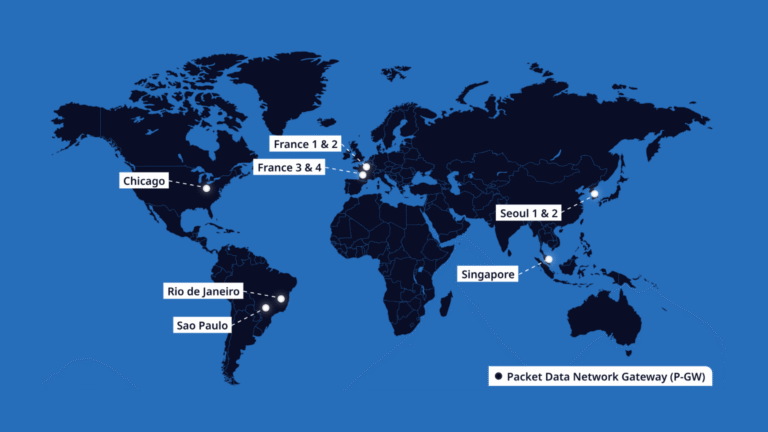
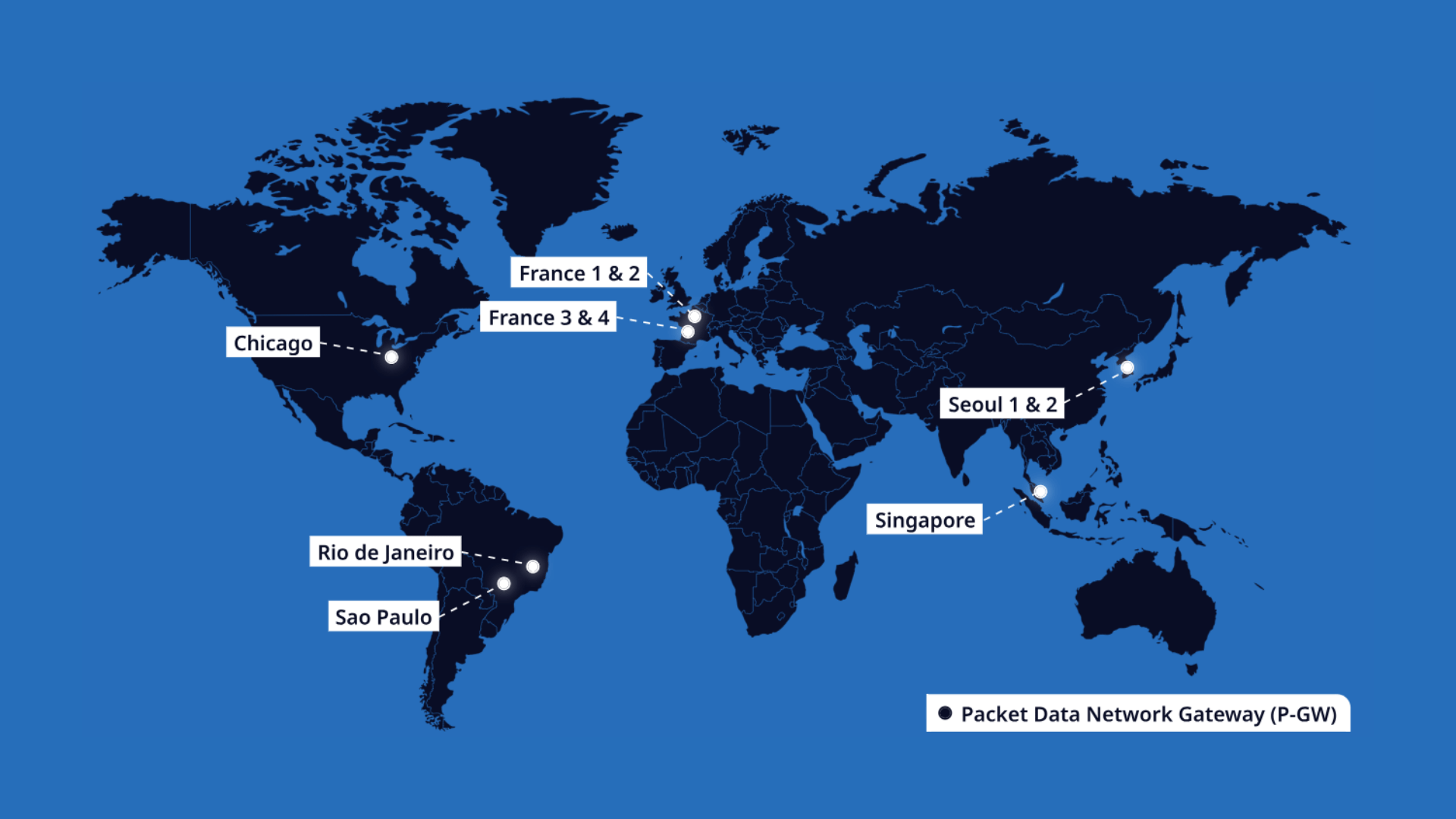
A 24/7 NOC and SOC, advanced policy management and a single SIM management platform give you one set of rules and one view across every store, in 200+ countries and territories.
Quick checklist for connected store operators
- Map every connected device, who supplies it and who can reach it.
- Give contractors named accounts, multi-factor authentication and access to only what they need.
- Update firmware and retire kit that no longer receives security updates.
- Change every default password.
- Watch for unusual behaviour, around the clock.
- Keep temperature alarms independent of the system they monitor.
- Spell out in maintenance contracts who patches, who monitors and who replaces.
Keeping your cool: what can you do next
Connected retail is here to stay, and that’s a good thing. Connected fridges help cut energy waste, connected tills keep queues moving and digital shelves keep prices right. The goal isn’t to disconnect. It’s to make sure the only people at the controls are the ones you invited.
Securing connected retail starts with the connection, and you don’t have to work it out alone. Watch the replay of our latest webinar with Palo Alto Networks on “Where 5G Meets Zero Trust: Enterprise IoT Security” to discover how our joint cellular SASE solution secures connected devices with no agents, no network changes, and a single unified policy across the globe.
If the system that manages them is reachable and poorly protected, yes. Refrigeration management platforms let users change temperature thresholds and schedules remotely, so who can reach them matters. Keeping them off the public internet and verifying every connection closes the most obvious way in.
A private gateway between your connected devices and your own systems. Data travels over the mobile network without touching the public internet.
Secure access service edge (SASE), delivered through the mobile network. It applies zero trust security, such as firewalling and identity-based access, to every connected device without installing software on it.
Swap shared logins and open ports for zero trust access. Each contractor is verified every time and only reaches the specific devices they look after.