Automotive
 Aviation
 Defense & Public Safety
 Manufacturing
 Logistics
 Public Transport
 Mobility
 Energy & Utilities
 Smart Farming
 Smart Buildings
 EV charging
 Healthcare
 Retail
 Media & entertainment

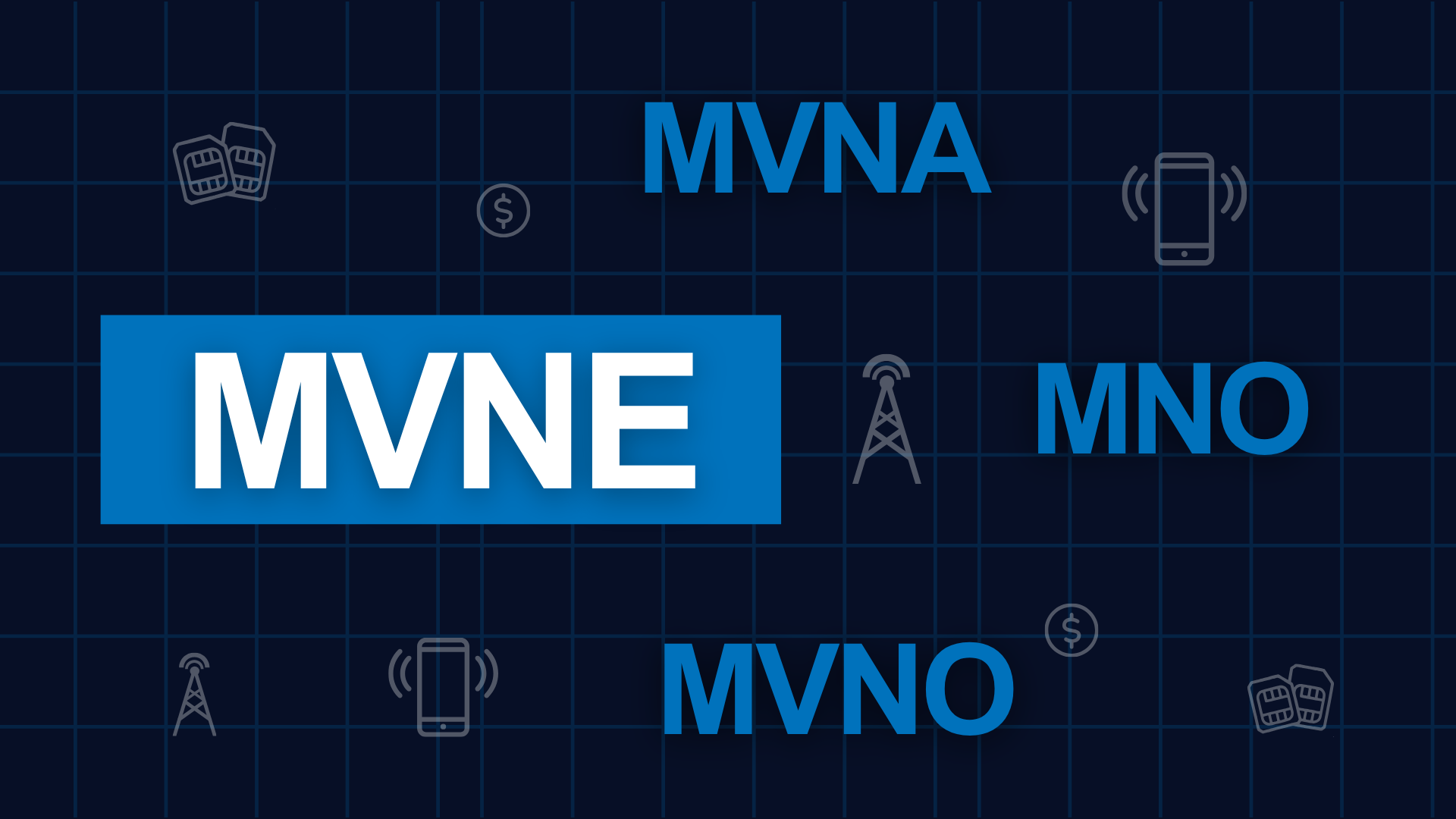
Launching a mobile brand might seem complex, especially if you are not a telecom expert. That is where an MVNE, or mobile virtual network enabler, steps in. MVNEs like Transatel manage the technical backbone, roaming agreements, and network integrations that mobile brands need to deliver mobile services.
This article explains the difference between MVNOs and MVNEs, how MVNEs operate through roaming partnerships, and why partnering with a proven MVNE like Transatel can simplify and accelerate your mobile business journey.
What is an MVNE?
In simple words, MVNEs provide the infrastructure and technical expertise to help companies launch their own mobile services without building such a network from scratch, while mobile operators (MNOs) like Orange and Free Mobile own the radio towers and spectrum. Think of an MVNE as a plug-and-play platform that makes mobile services possible.
MVNEs manage everything from billing systems, customer management platforms, and SIM provisioning to network integrations. For businesses that want to enter the mobile market without investing heavily in infrastructure, an MVNE is a game changer.
MVNO vs MVNE: understanding the difference
| Aspect | MVNO (Mobile Virtual Network Operator) | MVNE (Mobile Virtual Network Enabler) |
| Role | The mobile brand customers see and interact with | The behind-the-scenes technical and operational provider |
| Main Functions | Sell mobile services, handle marketing, manage customer support | Provide network connectivity, technical platform, billing systems, and operational support |
| Network Ownership | Does not own physical network infrastructure | Has core network components to access the MNO’s terrestrial network |
| Significance | Faces the market and generates revenue directly | Simplifies and reduces the cost and complexity of launching an MVNO |
| Examples | Niche mobile brands or retail companies offering mobile plans under their own name | Companies like Transatel that enable MVNOs to operate efficiently |
In simple terms: MVNOs focus on the customer experience; MVNEs handle the technical backbone. Together, they make branded mobile services possible. It’s like outsourcing your IT support on a larger scale.
How MVNEs operate through roaming partnerships
One of the critical challenges for any mobile operator is roaming, which allows customers to use their phones abroad seamlessly. MVNEs simplify this by leveraging pre-established roaming partnerships with multiple MNOs worldwide.
Here is how it works:
- Negotiation and agreements: MVNEs negotiate roaming deals with operators in different countries. These agreements set the terms, pricing, and coverage.
- Integration: The MVNE integrates these roaming agreements into its platform, ensuring the MVNO’s customers can connect automatically when travelling.
- Billing and settlement: MVNEs handle the complex billing that comes with international roaming, so the MVNO does not have to.
This approach allows even small MVNOs to offer global connectivity without negotiating separate deals with each operator, a task that would be nearly impossible to handle independently.
Why you need an MVNE to launch an MVNO
Launching an MVNO is not just about buying SIM cards and selling plans. It involves complex technical, operational, and regulatory processes:
- Network integration: connecting your brand to the mobile network.
- Billing systems: ensuring accurate invoicing for millions of customers.
- SIM and device management: managing SIM activation, provisioning, and lifecycle.
- Compliance: meeting regulatory requirements in each market.
- Roaming: allowing customers to use their service internationally.
Attempting to handle all of this alone is time-consuming, expensive, and risky. Partnering with an MVNE allows companies to focus on their core strengths: brand building, marketing, and customer engagement. The MVNE takes care of the technology, operations, and network agreements, so your launch is faster, smoother, and more cost-effective.
Transatel: Your global MVNE Partner
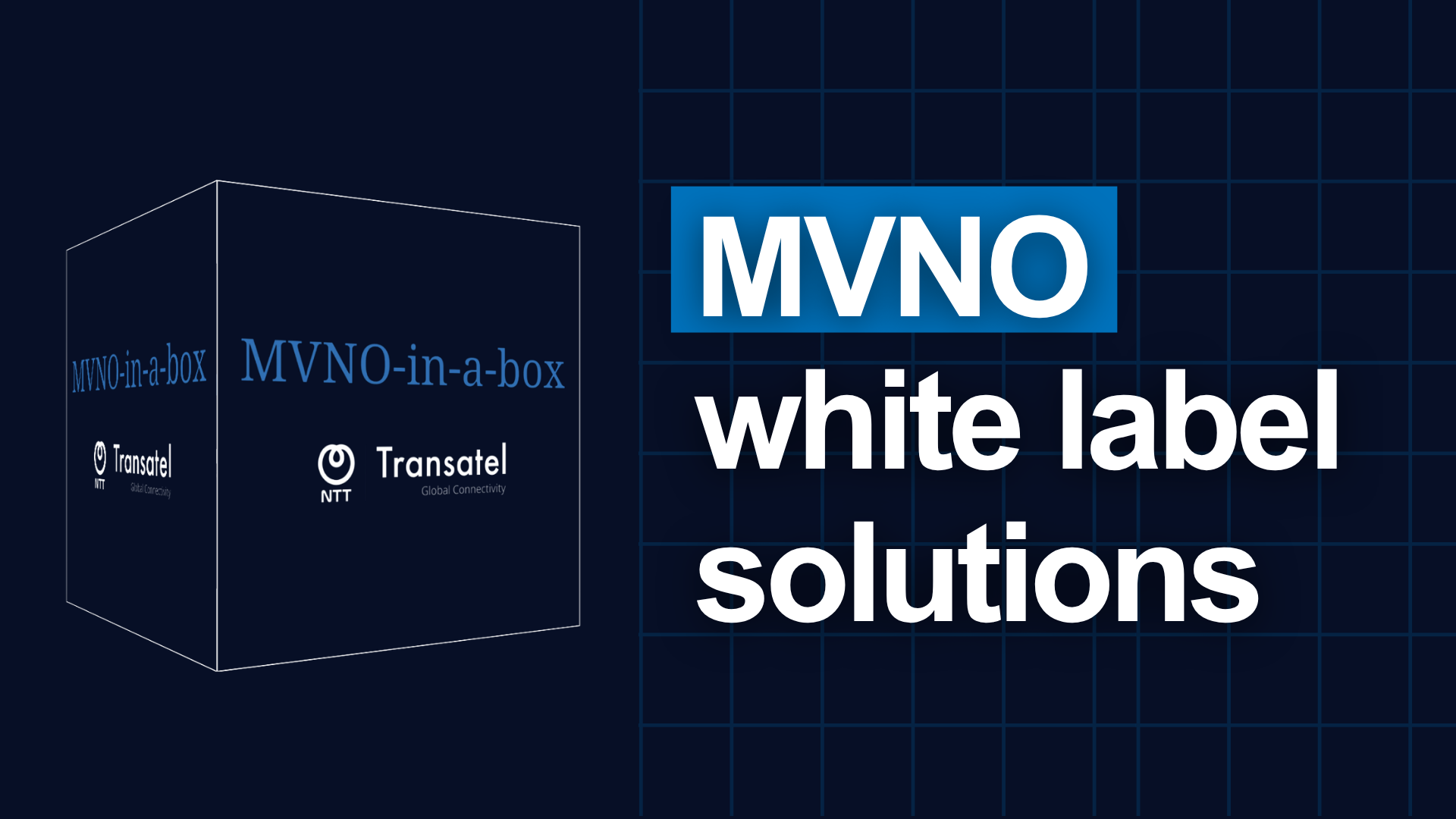
Transatel is a leading global MVNE with a proven track record of helping enterprises launch MVNOs quickly and efficiently. With expertise in global connectivity, roaming partnerships, and full operational support, Transatel enables businesses to bring their mobile brands to life without the headache of building a network.
Why Transatel?
- Speed: Rapid deployment in weeks thanks to ready-to-use platforms.
- Global reach: Access to extensive roaming agreements across 200+ countries and territories.
- Flexibility: Customisable solutions to suit different business models.
- Support: End-to-end operational management from SIM provisioning to billing.
By partnering with Transatel, businesses can launch mobile services faster, reduce risk, and focus on growing their brand, while the MVNE handles the complex network and technical requirements behind the scenes.
Final thoughts:
For any business looking to launch an MVNO, understanding the difference between what you do (as the MVNO) and what the MVNE does is crucial. With the right partnership, you can focus on growth, customer experience, and market differentiation while leaving the complexity of network operations, billing, and roaming experts.
In short, an MVNE is more than a technical provider – it is the foundation on which successful MVNOs are built. With Transatel, that foundation is reliable, scalable, and global, making your mobile ambitions not just possible, but highly achievable.
Click here to claim a FREE consultation with one of our MVNO experts.